Edit Template
Edit Template

Services

Understanding Skin Allergies and Melasma

Skin Allergies happen when your skin responds negatively to specific substances, causing signs such as redness, itching, puffiness, and skin rashes. Frequent allergens are particular foods, substances, pollen, and scents. Skin allergies can vary from slight discomfort to intense reactions that need professional care.

Melasma is characterized by brown or grey patches on the skin, often on the face. It’s linked to sun exposure, hormones, and certain medications. While harmless, melasma can affect self-esteem.


All-Inclusive Diagnosis

Detailed assessment and testing to identify allergens and underlying causes of melasma.

Customized Treatment Plans

Custom-made solutions based on individual skin types and specific concerns.

Advanced Treatment Options

Incorporates the latest technologies and evidence-based practices for effective results.

Non-Invasive and Safe

Many treatments are non-invasive, ensuring safety and minimal side effects.

Expert Care

Professional guidance and support from experienced dermatologists and skincare specialists.
Symptom Relief

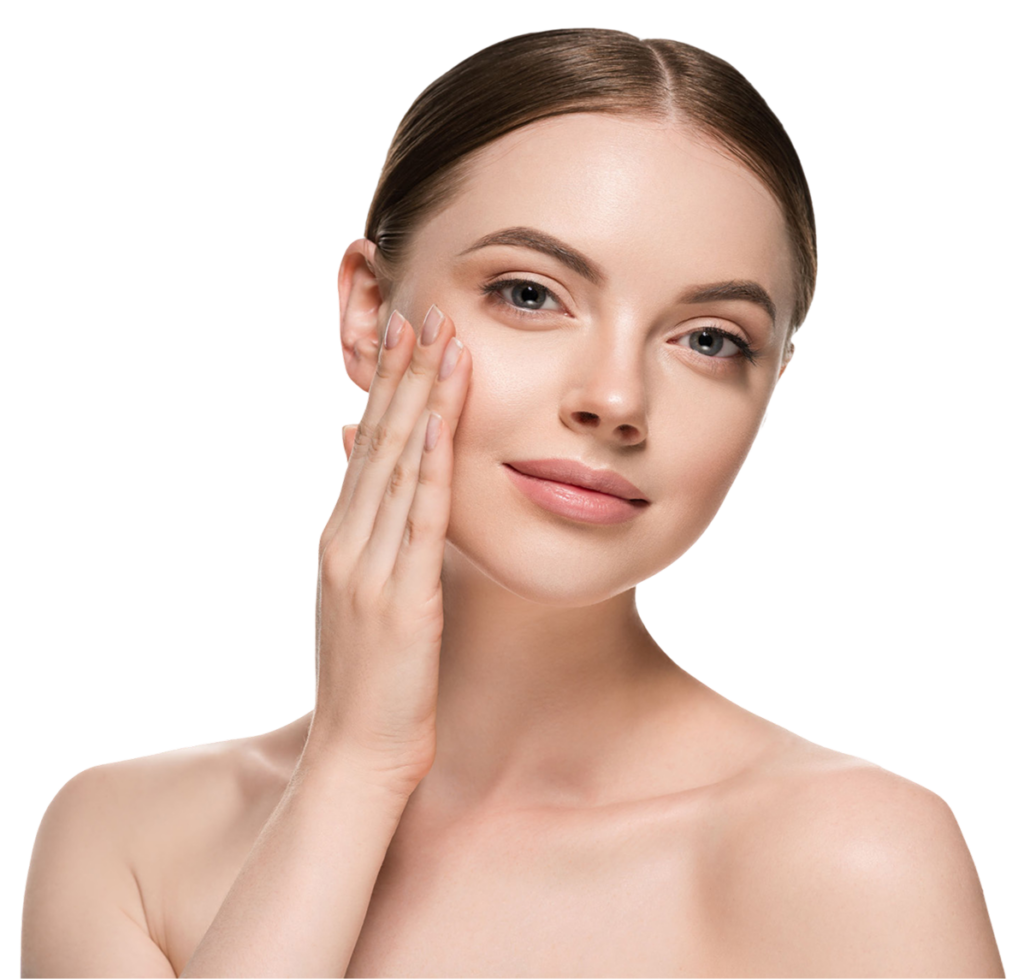
Soothes skin discomfort triggered by allergies, like itchiness and swelling.

Enhanced Skin Health

Deals with fundamental concerns to deter future skin issues and uphold skin vitality


Improved Skin Appearance

Minimizes the presence of melasma patches and encourages a smoother skin complexion.

Boosted Confidence

Restores confidence by improving the appearance and comfort of your skin.

Symptom Relief

Soothes skin discomfort triggered by allergies, like itchiness and swelling.

Enhanced Skin Health

Deals with fundamental concerns to deter future skin issues and uphold skin vitality.

Improved Skin Appearance

Minimizes the presence of melasma patches and encourages a smoother skin complexion.

Boosted Confidence

Restores confidence by improving the appearance and comfort of your skin.

Consultation and Diagnosis

Initiate with an in-depth consultation to evaluate your skin's condition, identify potential triggers, and deliberate on your treatment aims.

Personalized Treatment Plan

Develop a personalized plan that could incorporate a range of treatments, including topical remedies, oral medications, and advanced procedures.

Allergen Identification

Testing to determine specific allergens causing skin reactions.
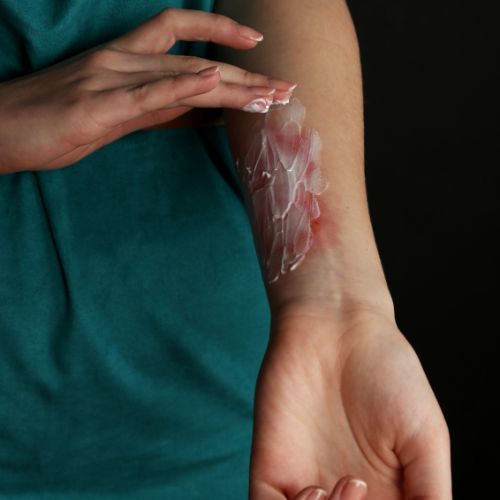
Topical Steroids and Antihistamines

Prescribed to reduce inflammation and relieve symptoms.

Lifestyle Modifications

Advice on avoiding allergens and implementing preventive measures.
Topical Creams

Use of hydroquinone, retinoids, and other agents to lighten pigmentation.
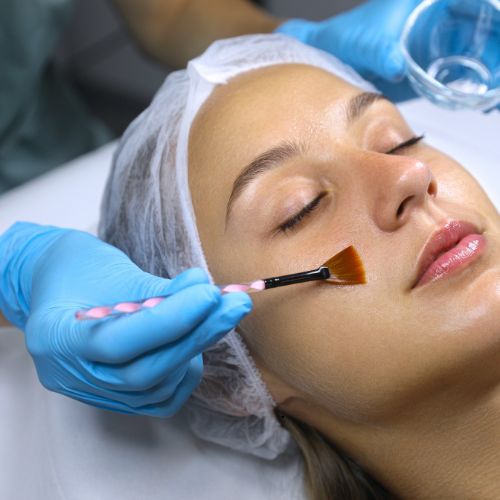
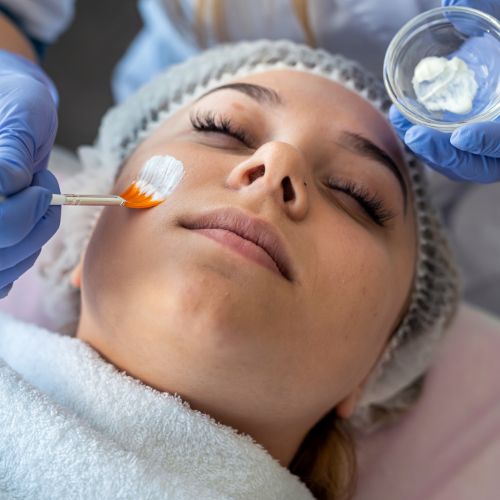
Chemical Peels

Exfoliate the skin to improve texture and tone.
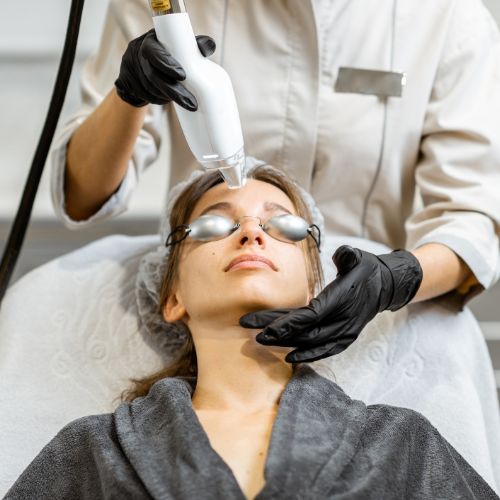
Laser Therapy

Targets and breaks down excess pigmentation for a clearer complexion.

Scroll to Top